
Last updated:
Quick Stats
- Warm Season
- Full Sun (6+ hours)
- 6, 7, 8, 9, 10
- 7-14 days
- 2-3 lbs per 1,000 sq ft
- 0.5-2 inches
What's in the Bag
- Bermudagrass (Yukon)100%
Percentages from a representative guaranteed-analysis label or manufacturer spec — exact numbers vary slightly by lot.
Pros & Cons
Pros
- Most cold-tolerant seeded bermuda — reliable in Zone 6
- 25% less water than standard bermuda varieties
- Medium-fine texture with excellent density and traffic tolerance
- Developed from 30+ years of cold-hardiness selection
- Extends bermuda growing range 200+ miles north
Cons
- More expensive than common bermuda seed ($45-65 for 5 lbs)
- Still goes brown/dormant in winter — longer dormancy in transition zone
- Not worth the premium in zones 8-10 where any bermuda works
Best For
Transition zone homeowners (zones 6-7) who want a bermuda lawn but need cold hardiness that common bermuda can't provide.
Decision Notes
Opinion
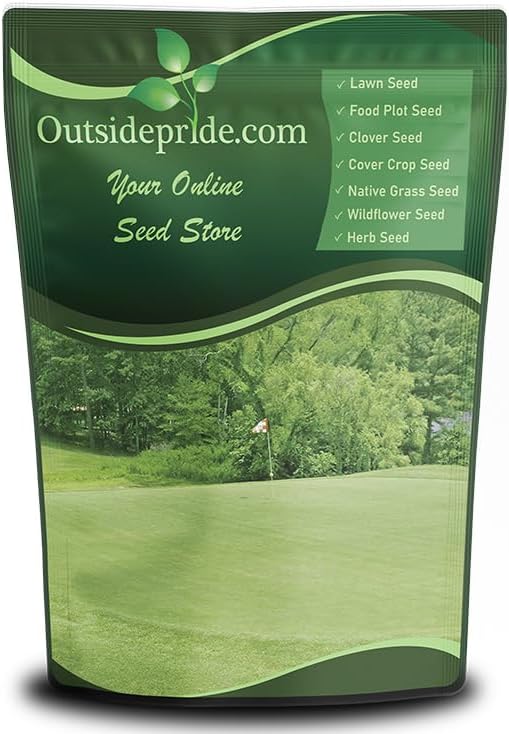
My read: Outsidepride Yukon Bermudagrass belongs on the shortlist only when the lawn problem is specific. Transition zone homeowners (zones 6-7) who want a bermuda lawn but need cold hardiness that common bermuda can't provide.
The case for it is Most cold-tolerant seeded bermuda — reliable in Zone 6. The part I would not wave away is more expensive than common bermuda seed ($45-65 for 5 lbs). I would rather buy a less glamorous seed or amendment that fits the site than force a premium product into the wrong soil, sun, or climate.
If you are comparing it with Hancock Seed Arden 15 Bermuda (Certified), do not start with the rating. Start with your zone, sun, soil, irrigation, and patience. Pick Outsidepride Yukon Bermudagrass when those conditions match the notes below; otherwise the alternative may be the more honest buy.
Pick It Over
- Pick Outsidepride Yukon Bermudagrass over Hancock Seed Arden 15 Bermuda (Certified) when you need the new lawn use case and prefer its tradeoffs.
- Pick Outsidepride Yukon Bermudagrass over Scotts Turf Builder Bermudagrass when you need the new lawn use case and prefer its tradeoffs.
- Pick Outsidepride Yukon Bermudagrass over Pennington Smart Seed Bermudagrass when you need the new lawn use case and prefer its tradeoffs.
Skip If
- - You want winter-green turf in a cool-season climate; warm-season grass will brown out or fail there.
- - You are outside USDA zones 6, 7, 8, 9, 10 or cannot match its full sun requirement.
- - More expensive than common bermuda seed ($45-65 for 5 lbs)
- - Still goes brown/dormant in winter — longer dormancy in transition zone
Five-Year Cost
For a 5,000 sq ft lawn, budget about 4 bags across one establishment pass plus two light overseeds: $180-$180, or roughly $36-$36 per 1,000 sq ft before soil prep, fertilizer, or water.
Plant Instead If
If your yard is north of the transition zone, plant tall fescue or Kentucky bluegrass instead. If you are in deep shade, skip warm-season seed entirely and solve the shade first.
Our Review
Yukon Bermuda is the warm-season seed I would compare against standard common bermuda whenever winterkill is part of the fear. It exists for the northern edge of bermuda country: Oklahoma, Kansas, Kentucky, Tennessee, northern Arkansas, southern Missouri, and similar transition-zone lawns where summer screams bermuda but winter occasionally punishes it.
Pick Yukon over a generic bermuda bag when cold tolerance matters and you still want seeded establishment. Pick Pennington Zenith Zoysia when shade tolerance and a denser carpet matter more than aggressive recovery. Pick tall fescue when the yard has mixed shade or the homeowner wants winter green instead of accepting bermuda dormancy.
The owner tradeoff is the standard bermuda bargain: excellent heat, sun, and traffic recovery in exchange for mowing discipline, full-sun demand, and brown winter dormancy. Yukon does not remove those tradeoffs. It just gives transition-zone homeowners a better chance of keeping a seeded bermuda stand alive through ugly winters. If the yard gets less than six hours of direct sun, or if a low-mowing, fast-spreading grass sounds like more work than you want, do not buy it.
Cost per thousand square feet is usually friendlier than sod or plugs, but bermuda establishment still requires warm soil, seed-to-soil contact, weed control, and frequent light water early. I would use Yukon for sunny transition-zone lawns where the alternative is either repeated common-bermuda winter damage or a tall-fescue lawn that burns up every July.
Where to Buy
Available from this retailer:
Also check: SeedSuperStore, SeedWorld, Outside Pride for additional availability.
What the Community Says
Common perspectives from the lawn care community
“Put down Outsidepride Yukon Bermudagrass last fall and the difference from my old lawn is night and day. The color alone makes it worth the premium over big box store seed.”
“Year two with Outsidepride Yukon Bermudagrass and it thickened up beautifully. Neighbors keep asking what I'm using. The warm-season genetics in this are legit.”
“Germination was right on schedule and establishment was straightforward. Just follow Outsidepride's rate recommendations and keep it moist — you'll be happy with the results.”
Representative of common community feedback based on product characteristics. Not direct quotes. Individual results may vary.
Seeding Calculator
Rate: 2-3 lbs per 1,000 sq ft
Pairs Well With
 FertilizerEditor's Pick
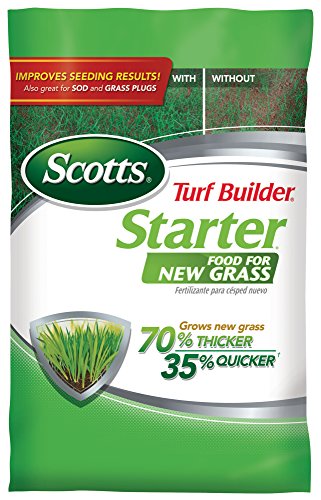
Anyone planting grass seed or laying sod. The default starter fertilizer recommendation for its proven 24-25-4 formula.
 Fertilizer
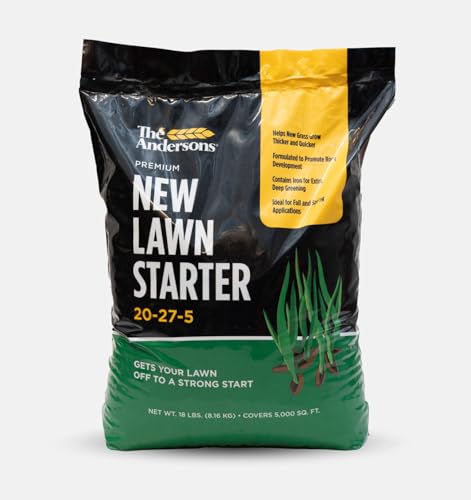
The Andersons
The Andersons Starter Fertilizer 18-24-12
Homeowners who want the best possible starter fertilizer and are willing to invest in a premium product. The enthusiast upgrade over Scotts Starter.
Similar Products
 Grass Seed
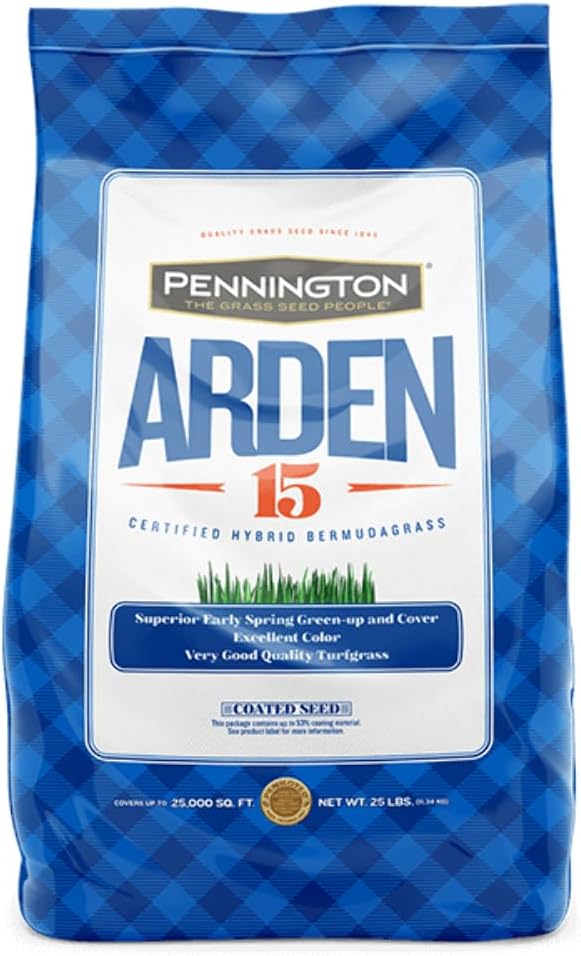
Hancock Seed Co.
Hancock Seed Arden 15 Bermuda (Certified)
Readers comparing seeded bermuda options and deciding whether to chase old Arden inventory or buy currently available Yukon instead.
 Grass Seed
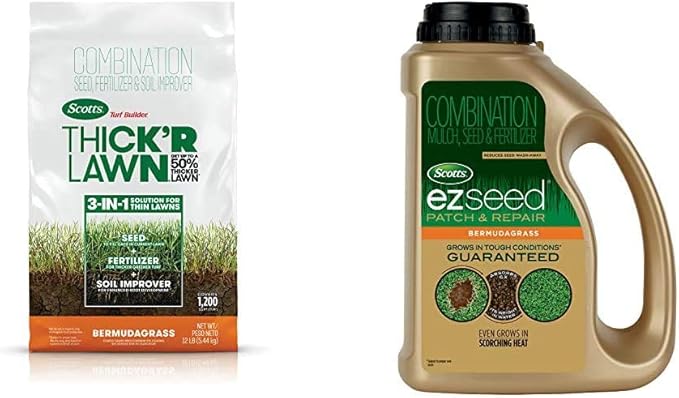
Southern homeowners in zones 7-10 with full-sun yards who want a tough, heat-loving, low-cost lawn.
 Grass Seed
Pennington
Pennington Smart Seed Bermudagrass
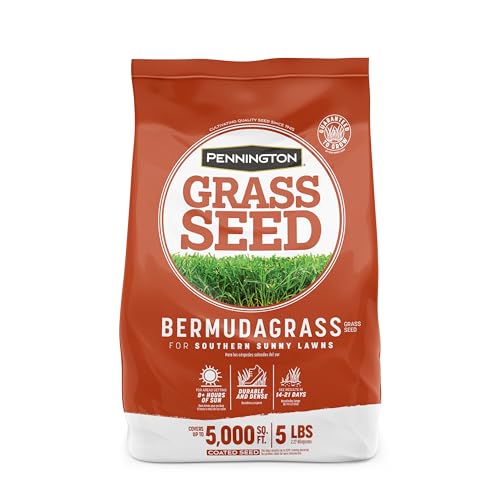
Southern homeowners wanting a quality Bermudagrass with a slightly finer texture than Scotts at a competitive price.